Let’s be honest. If you are managing a laboratory, procuring new instruments is probably the most stressful part of your quarter.
Whether you are outfitting a brand-new pharmaceutical testing facility or simply replacing an aging moisture analyzer in a food manufacturing plant, the stakes are incredibly high. You aren’t just buying office supplies. You are investing in precision, compliance, and ultimately, your company’s reputation.
When it comes to sourcing lab equipment Singapore has no shortage of distributors. A quick search will pull up dozens of vendors. But if you’ve been in this industry long enough, you know that buying the equipment is actually the easiest part. The real nightmare starts six months later when that equipment drifts out of calibration, or worse, breaks down entirely during a critical project.
If you want to build a lab that runs efficiently without constant headaches, here is what you actually need to look for beyond the price tag.
Beware the “Box Pushers”
We’ve all seen it happen. A procurement team goes with the absolute lowest bidder for a batch of environmental monitoring tools or testing instruments. The boxes arrive, they get unpacked, and… that’s it. The vendor disappears.
In the industry, we call these vendors “box pushers.” They sell you the hardware, but they don’t understand the science behind it.
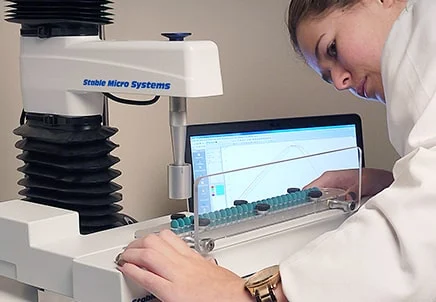
If your team is setting up complex gear like Texture Analyser or Water Activity Meter, you need a partner who actually understands the workflow. You want a supplier who provides on-site demonstrations, helps with the initial setup, and trains your staff on the nuances of the software. If a vendor can’t confidently walk you through the operational quirks of the equipment they are selling, walk away.
Calibration is Everything (Look for Accreditation)
Here is a harsh reality: an uncalibrated piece of high-end equipment is essentially an expensive paperweight.
In Singapore, regulatory bodies like the NEA and MOM have strict guidelines, especially regarding environmental and occupational health monitoring. If you are using noise and vibration systems for a construction site or gas detectors in a marine environment, your data must be legally defensible.
This is why you must look at a supplier’s after-sales infrastructure before you buy. Do they outsource their calibration, or do they handle it in-house?
Pro-Tip: Always look for suppliers that are supported by a reliable and established calibration infrastructure. Established local players (like Lee Hung, who have been navigating the local market since the early 80s) often have dedicated testing divisions specialising in areas such as acoustics and vibration. Having direct access to a competent calibration team can significantly reduce downtime and ensure your instruments remain accurate and reliable, allowing your operations to run smoothly.